















 Facebook
 Twitter
 Pocket
 Reddit
 Email
Email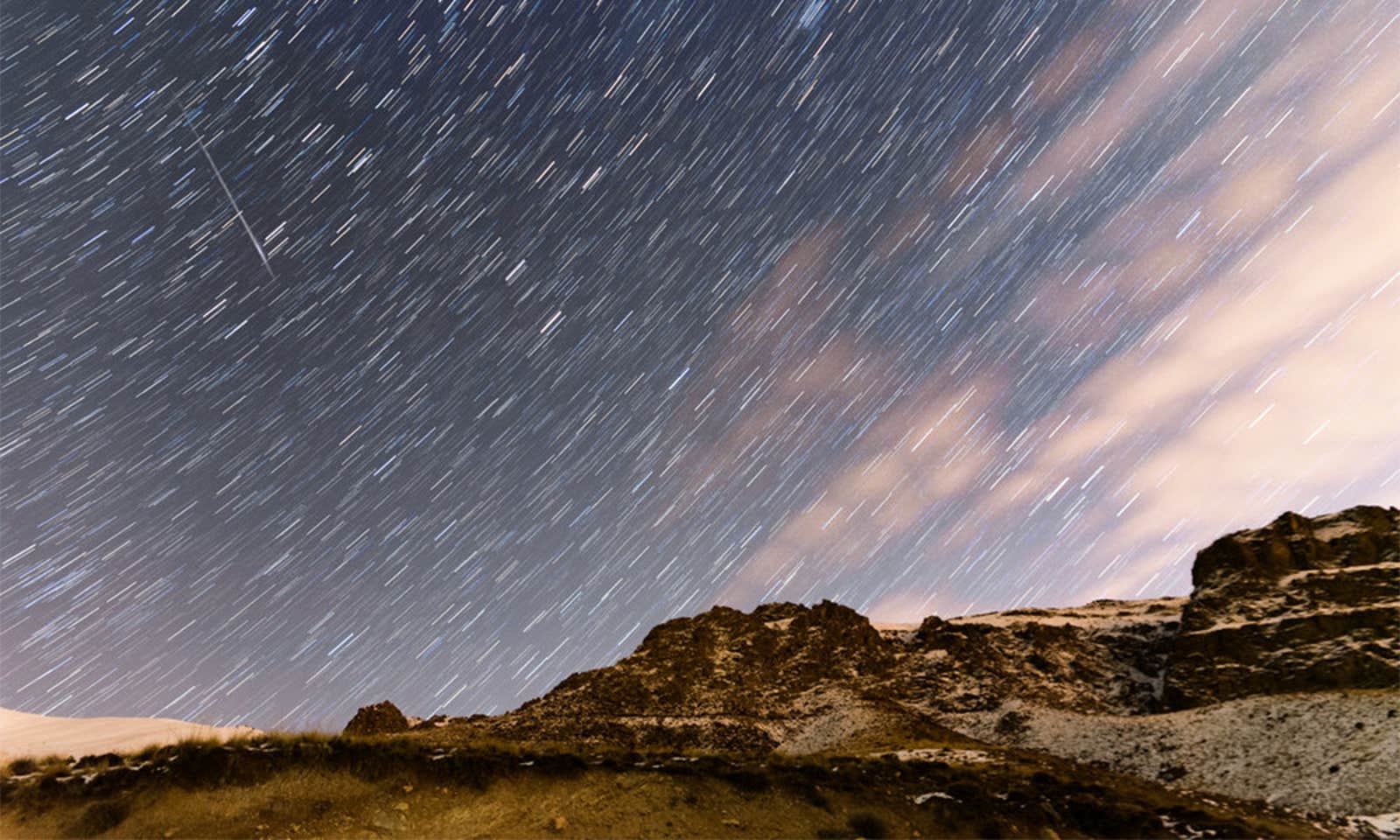


Tonight, people in the northern hemisphere may glimpse one of the year’s most dazzling meteor showers: the Quadrantids.
This cosmic spectacle peaks annually in early January, and it’s particularly tricky to get a good look at it compared with other meteor showers. Many peak over two days, but Quadrantids are usually visible for just a few hours.
The bright streaks we see during meteor showers result from sand-sized bits of dust released from comets or asteroids, known as meteors, which barrel into air particles in our atmosphere. The collision creates heat that vaporizes meteors, producing the streaks of light that have astonished people for millennia. This glow can take on different hues depending on the chemical makeup of a meteor and its speed.
We can see a few meteor streaks each night, but highly anticipated showers like the Quadrantids occur when Earth passes through trails of dusty space rock remnants around the same time each year. The Quadrantids, which are thought to emerge from an asteroid called 2003 EH1, can look blue or yellow.
The Quadrantids peak is particularly brief because the shower consists of a skinny stream of particles that Earth cruises through at a perpendicular angle. Another viewing obstacle: The height of the shower will coincide with a supermoon, which happens when the full moon is closest to Earth in its orbit—this makes it look up to 14 percent bigger and 30 percent brighter than the year’s faintest moon.
Read more: “Before the Supermoon Showed Its Face It Flashed Us”
“The biggest enemy of enjoying a meteor shower is the full moon,” Mike Shanahan, planetarium director at Liberty Science Center in New Jersey, told The Associated Press.
Tonight, onlookers may see up to around 10 Quadrantid meteors per hour. This shower is known for its especially luminous and long-lasting fireball meteors, which emerge from relatively big bits of material.
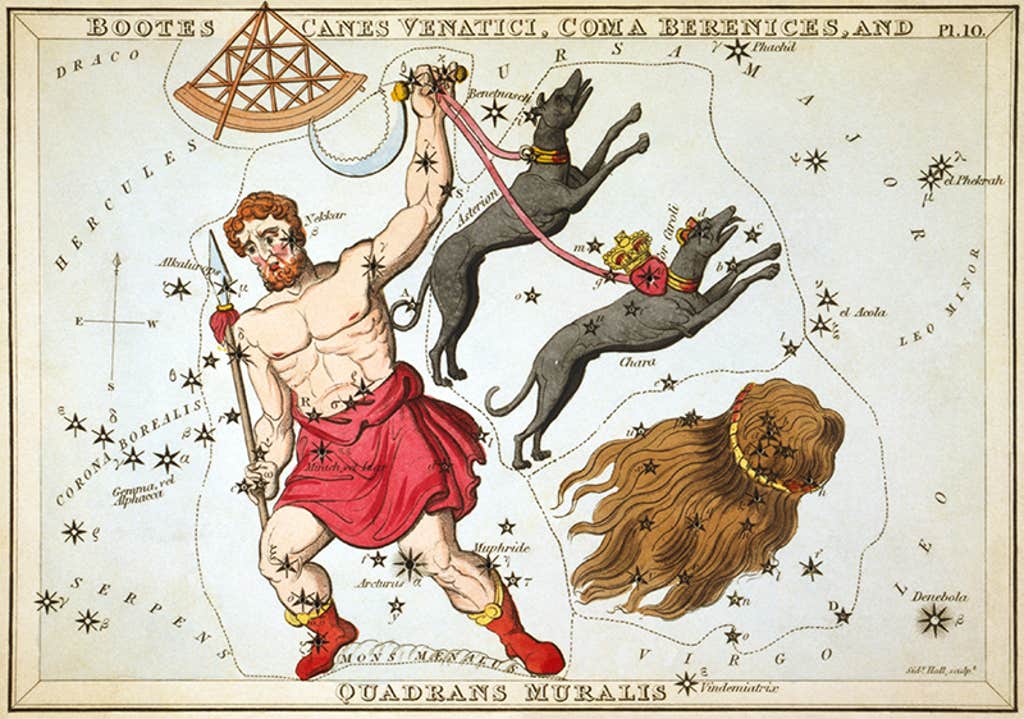
It gets its name from Quadrans Muralis, a former constellation discovered in 1795, the spot in the sky where the meteors appear to travel from. The moniker refers to the quadrant, an early astronomical tool that people used to map out star locations.
To get a good look at the Quadrantids, NASA recommends settling down in a spot far from light pollution and lying flat on your back with your feet oriented northeast. Stay off your phone and let your eyes get accustomed to the complete darkness, a process that takes around 20 minutes. “Be patient—the show will last until dawn, so you have plenty of time to catch a glimpse,” NASA advises.
For location-specific tips on your best shot at seeing the Quadrantids, check out timeanddate.com. 
Enjoying Nautilus? Subscribe to our free newsletter.
Lead image: Aref Fathi / Wikimedia Commons