















 Facebook
 Twitter
 Pocket
 Reddit
 Email
Email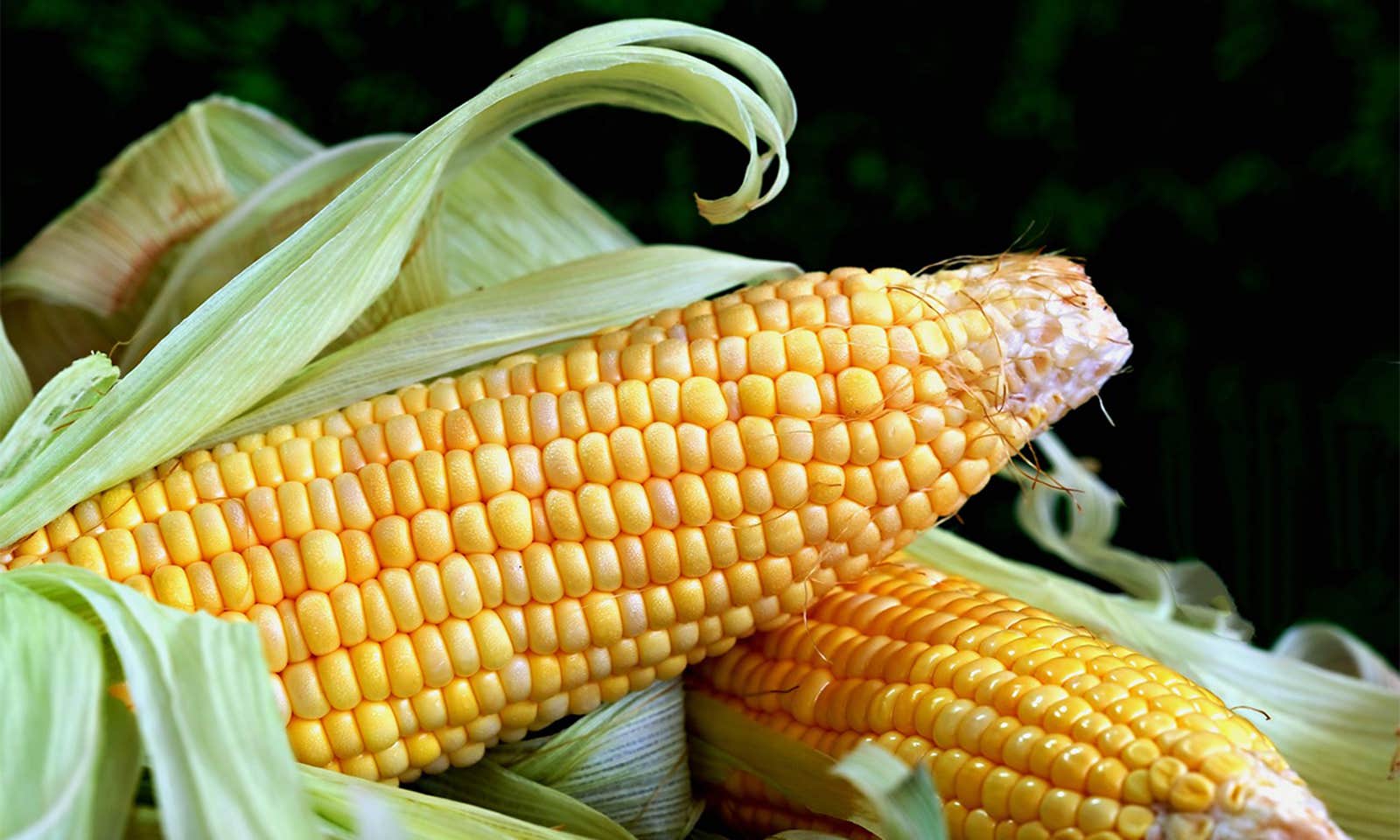


In the early 20th century, scientists sought to get to the bottom of a mysterious disease that caused thousands of deaths per year in the United States. By 1912 in South Carolina alone, more than 30,000 cases were reported with a fatality rate of 40 percent.
This ailment is known as pellagra, and it was discovered as early as the 18th century when it inflicted Spanish peasants. At the time, it was commonly confused with leprosy as it can cause skin sores. The condition also triggers symptoms throughout the body including diarrhea, neurological issues like tremors, and even dementia. In 1869, Italian criminologist Cesare Lombroso suggested that pellagra comes from spoiled corn, as it often affects people with corn-heavy diets.
Lombroso’s theory entered the conversation when pellagra became epidemic throughout the Southern U.S. Some eugenicists suggested that it stemmed from racial or hereditary factors. A 1912 investigation of a South Carolina mill village reported that the disease was infectious, a finding that guided doctors for years.
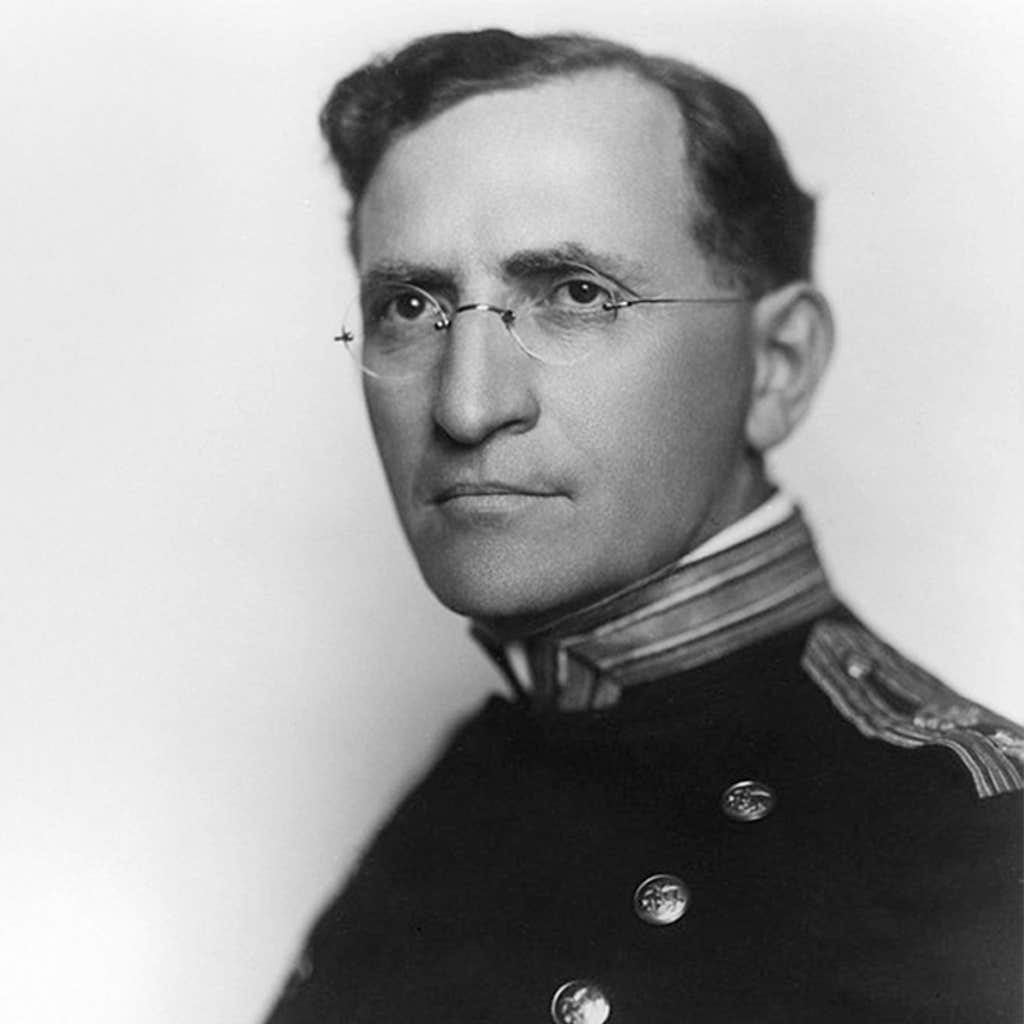
Around this time, Congress asked the Surgeon General to investigate pellagra. He tapped Joseph Goldberger, a medical officer in the U.S. Public Health Service, to take the reins. Goldberger was already recognized for his work on epidemics such as typhus and yellow fever.
Goldberger suspected that the disease was linked to a diet lacking key nutrients, not infection—a possibility also raised by researchers in Europe. In the early 20th century, low-income people in the South mostly ate cornmeal, meat, and molasses. Due to the region’s thriving cotton industry, little land remained to grow vegetables.
It was already known that wealthy people were far less likely to develop pellagra, and Goldberger had observed the condition among patients and residents at the mental hospitals and orphanages he visited, yet not the staff.
Following his intuition, he carried out an experiment on male inmates at a Mississippi prison that began on this day in 1915. These men received pardons for their participation, an unethical exchange that wouldn’t be approved today. He observed how they fared on their usual diet, which included dairy products and vegetables grown at the farm they worked at, versus a typical Southern diet at the time. Eleven subjects stayed on this diet until late October 1915, six of whom experienced pellagra symptoms. “I have been through a thousand hells,” one participant remarked. All of these individuals eventually recovered.
Read more: “Fruits and Vegetables Are Trying to Kill You”
Goldberger had also studied populations at orphanages and asylums in the South, and came to the conclusion that an unbalanced diet can trigger pellagra. In fact, some asylum patients with dementia saw such drastic improvements on an improved diet that they were discharged.
Still, Goldberger’s advice mostly went unheeded. Southern politicians and doctors tended to reject his theory linking the condition to poverty in their region, insisting pellagra was an infectious disease or that it stemmed from moldy corn. This prompted Goldberger to organize “filth parties,” where people took pills containing skin, urine, and other samples taken from individuals with pellagra, yet attendees didn’t go on to develop the condition.
Despite Goldberger’s breakthroughs, he couldn’t pinpoint the exact ingredient required to prevent pellagra. In 1927, he found that a daily dose of brewer’s yeast offered an effective treatment, and a year later he asserted that pellagra likely results from a vitamin deficiency. The next year, though, pellagra reached its peak in the South and killed nearly 7,000 people.
Before Goldberger could get to the bottom of it, he died from kidney cancer in 1929. But less than a decade later, scientists landed on that specific vitamin: niacin. Biochemist Conrad Elvehjem arrived at this discovery after administering small amounts of niacin to dogs with the canine equivalent of pellagra, and the treatment ended up working for humans, too. Corn does contain niacin, but in a form that our bodies can’t absorb well—Indigenous people in the Americas have rendered niacin easier to digest for centuries by soaking corn kernels in limewater.
Today, pellagra is rare in many countries thanks to flour fortified with niacin, a practice that ramped up in the U.S. during World War II. It’s considered a massive public health success story, effectively wiping out one of the most devastating nutritional deficiency diseases ever documented in the country. 
Enjoying Nautilus? Subscribe to our free newsletter.
Lead image: hartono subagio / Pixabay