














 Facebook
 Twitter
 Pocket
 Reddit
 Email
Email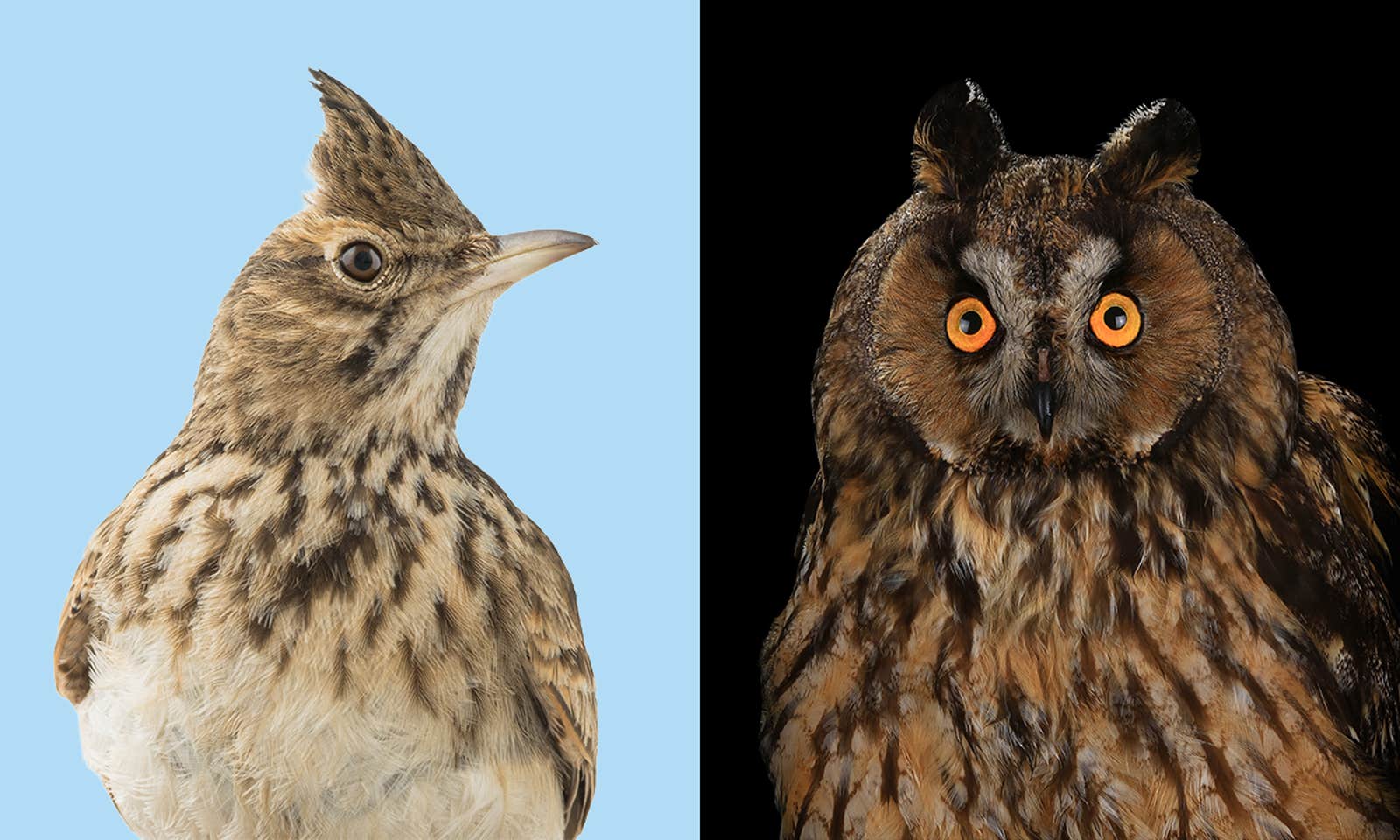


Some people are night owls, and some people are early birds. For early humans, having a mix of both was likely a boon to the community, allowing some to stand watch at night while others awoke early to get daytime activities started. In fact, a 2017 study of hunter-gatherers in Tanzania found that there was only an 18-minute period when everyone in the group was dozing.
Even though most people no longer live in hunter-gatherer societies, we’re left with a dichotomy of sleep behavior. Instead of keeping a lookout for predators, those of us with a nighttime sentinel behavior pattern are just left scrolling our phones into the wee hours.
While this might seem like a harmless quirk of evolution, different circadian patterns or “chronotypes” are associated with different health risks. To get a fuller picture of those risks, neurologists from McGill University in Canada used artificial intelligence to comb through 27,000 brain scans and questionnaires from adults in the United Kingdom. They published their findings in Nature Communications.
Read more: “How Your Body Knows What Time It Is”
The researchers discovered there were not two distinct chronotypes but five—two kinds of early birds and three kinds of night owls. One group of early birds tended to suffer from depression while another had few health problems (lucky them).
Night owls were a more diverse group—again, with three distinct subtypes. The first performed better on cognitive tests, but showed difficulties regulating their emotions. The second displayed increased risk-taking behavior and a tendency for cardiovascular disease. The third was more likely to smoke, suffer from depression, and had higher heart disease rates.
“In today’s digital and post-pandemic era, sleep patterns are more diverse than ever,” study author Le Zhou said in a statement. “Understanding this biological diversity could eventually help inform more personalized approaches to sleep, work schedules, and mental health support.”
Next, the team plans to incorporate genetic data into their analysis to shed light on the biological roots of diverse sleep behavior. Until then, we could all probably use a little more shut-eye—whether that’s going to bed earlier or sleeping in later. 
Enjoying Nautilus? Subscribe to our free newsletter.
Lead image: photomaster / Shutterstock