















 Facebook
 Twitter
 Pocket
 Reddit
 Email
Email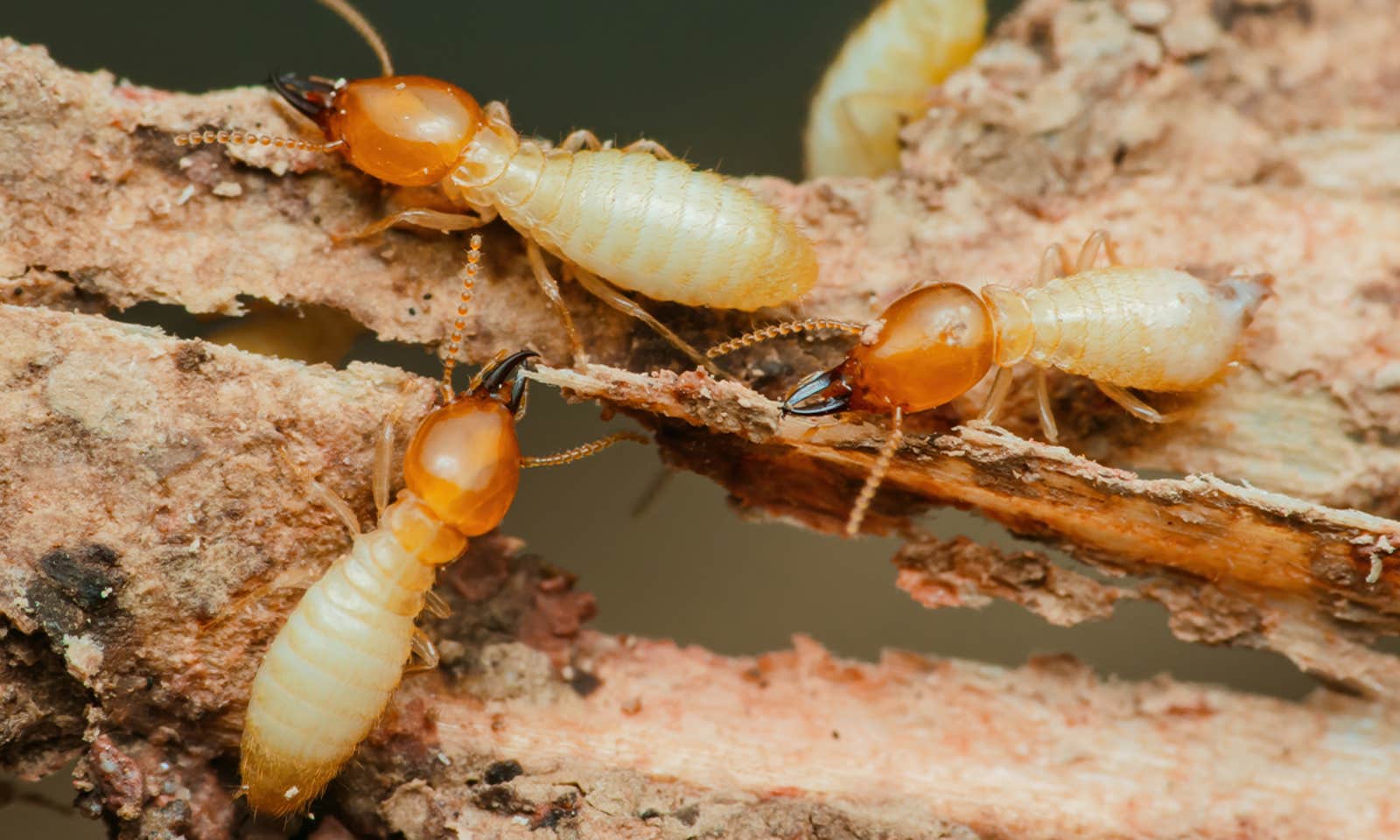


Termites are capable of constructing sprawling colonies containing millions of individuals, a complex social structure that evolved at least 100 million years ago. But how did they come to be so organized? A new study published in Science is shedding light on their fascinating evolutionary history.
To get a better picture of termite evolution, an international team of evolutionary biologists led by Nathan Lo of the University of Sydney in Australia compared the genomes of termites with differing societal complexities to the genomes of cockroaches and woodroaches (their closest relatives).
The team found that a dietary change prompted termites to get organized, setting the stage for a series of genetic and social changes that followed.
“Termites evolved from cockroach ancestors that started living inside and eating wood,” Lo said in a statement. “Our study shows how their DNA changed first as they specialized on this poor-quality diet and then changed again as they became social insects.”
Read more: “The Termite and the Architect”
So what were these changes?
Surprisingly, they involved losing genes, not gaining them. As termites made the shift from a solitary life with a more varied diet to a social life feeding only on wood, they lost genes related to metabolism, digestion, and reproduction. “The surprising result is that termites increased their social complexity by losing genetic complexity,” Lo explained. “That goes against a common assumption that more complex animal societies require more complex genomes.”
One of the most striking changes the team found was the loss of genes for building the tail of sperm cells in males. Because termite queens are monogamous with their kings, there’s no need for competition between sperm from different breeding males. And with no competition, there’s no need for highly motile sperm.
“This loss doesn’t cause monogamy,” Lo said. “Instead, it’s a strong indicator that monogamy had already evolved.”
Scientists have debated for years about whether a high degree of genetic similarity is necessary for the kind of tightly controlled social structure seen in termites, ants, and other social insects. This latest study marks another point for those on the “yes” side. It also demonstrates that the path of natural selection can take some surprising turns.
“This work shows that understanding social evolution isn’t just about adding new traits,” Lo said. “Sometimes, it’s about what evolution chooses to let go.”
Termite kings may have lost their sperm tails, but they gained a family. 
Enjoying Nautilus? Subscribe to our free newsletter.
Lead image: Pawich Sattalerd / Shutterstock