















 Facebook
 Twitter
 Pocket
 Reddit
 Email
Email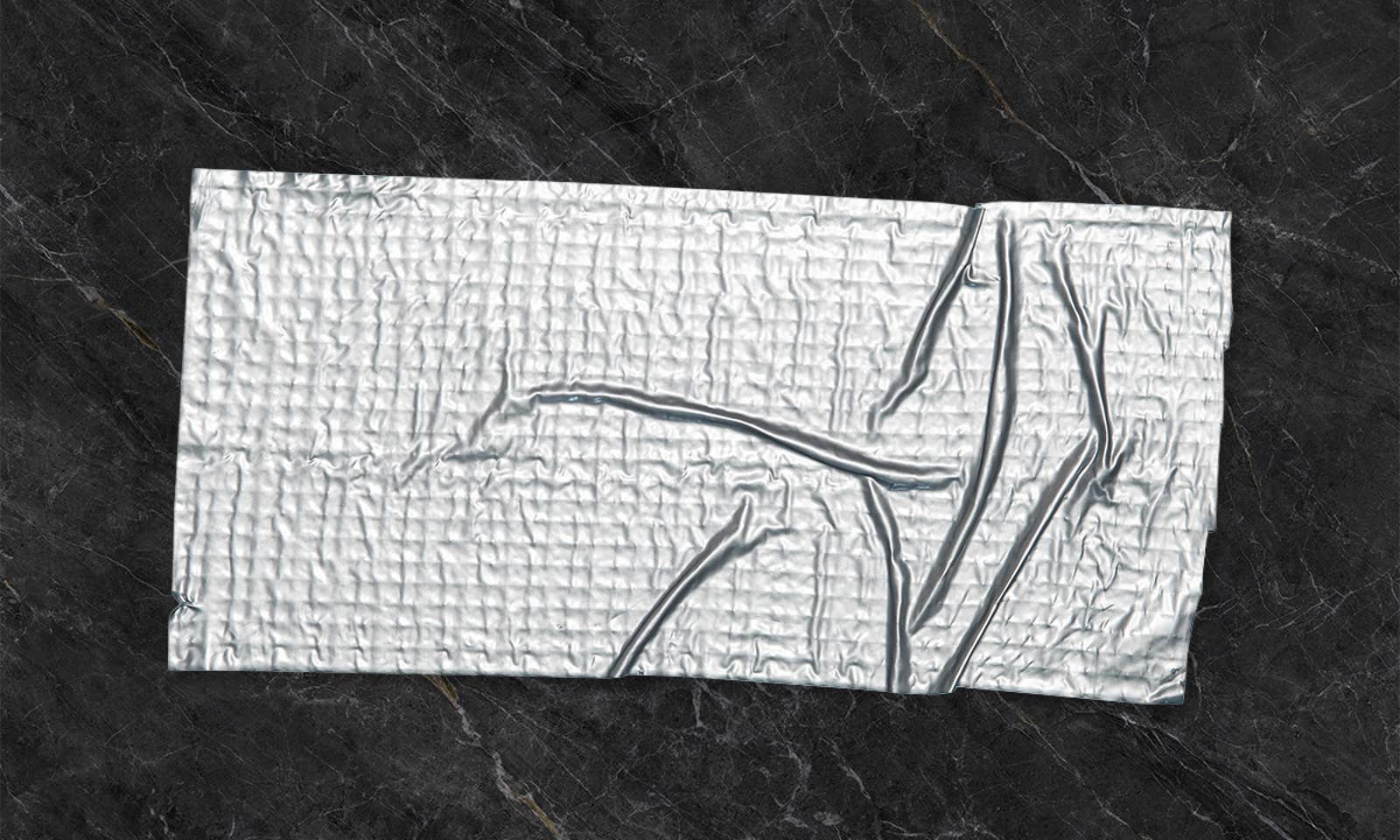


During World War II, a woman named Vesta Stoudt took part in the war effort by working in a munitions plant in Illinois. There, she packed up cartridges that sent rifle grenades whizzing through the air. Stoudt would place these pieces of equipment in cardboard boxes, which were sealed with paper tape and dipped in wax to make them waterproof.
As Stoudt noticed, this packing method was far from perfect. Stoudt’s two sons were in the United States Navy at the time, and she worried it would leave soldiers like them vulnerable in the field. “The paper tape was very thin, and the tabs often tore off, leaving soldiers frantically trying to open the box while under fire,” said Margaret Gurowitz, chief historian at the healthcare company Johnson & Johnson, in an article from 2018.
She had a solution: Waterproof tape made of durable cloth. Stoudt’s supervisors, however, didn’t offer her much support for this idea—so she went directly to the top.
On this day in 1943, Stoudt sent a letter to President Franklin D. Roosevelt and described her idea, including diagrams in her correspondence. She mentioned her sons in the service, as well as Roosevelt’s, and noted that “we can’t let them down by giving them a box of cartridges that takes a minute or more to open, the enemy taking their lives, that could have been saved … I didn’t know who to write to Mr. President, so have written you hoping for your boys, my boys, and every man that uses the rifle grenade, that this package of rifle cartridges may be taped with the correct tape.”
Read more: “The Explosive Chemist Who Invented Smokeless Gunpowder”
FDR, thrilled with the idea, forwarded her message to the War Production Board, which greenlit her suggestion and sought out manufacturers to create this product. A company then called the Industrial Tape Corporation produced what we now know as duct tape for the first time.
Military members eventually referred to it as 100-mile-per-hour tape, Gurowitz of Johnson & Johnson explained, “because they could use it to fix anything, from fenders on jeeps to boots.” After the war, the tape wound up in hardware stores for home use. That’s when people realized that this nifty product works well in linking together parts of heating and air conductioning ducts, so it took on the duct tape nickname. The tape also got a silver makeover with aluminum powder to match the color of these tin ducts.
Today, soldiers continue to use duct tape for all sorts of purposes, like covering holes in shoes and fixing up equipment, not to mention the many civilian uses—including as a prom dress material. Duct tape even played a key role in uncovering the Watergate scandal, alerting a security guard to the infamous burglary at the D.C. complex in 1972.
Some have even gone so far to call it the “world’s most useful tool,” an innovation that wouldn’t be possible without a resourceful mother. 
Enjoying Nautilus? Subscribe to our free newsletter.
Lead image: Tymonko Galyna / Shutterstock