















 Facebook
 Twitter
 Pocket
 Reddit
 Email
Email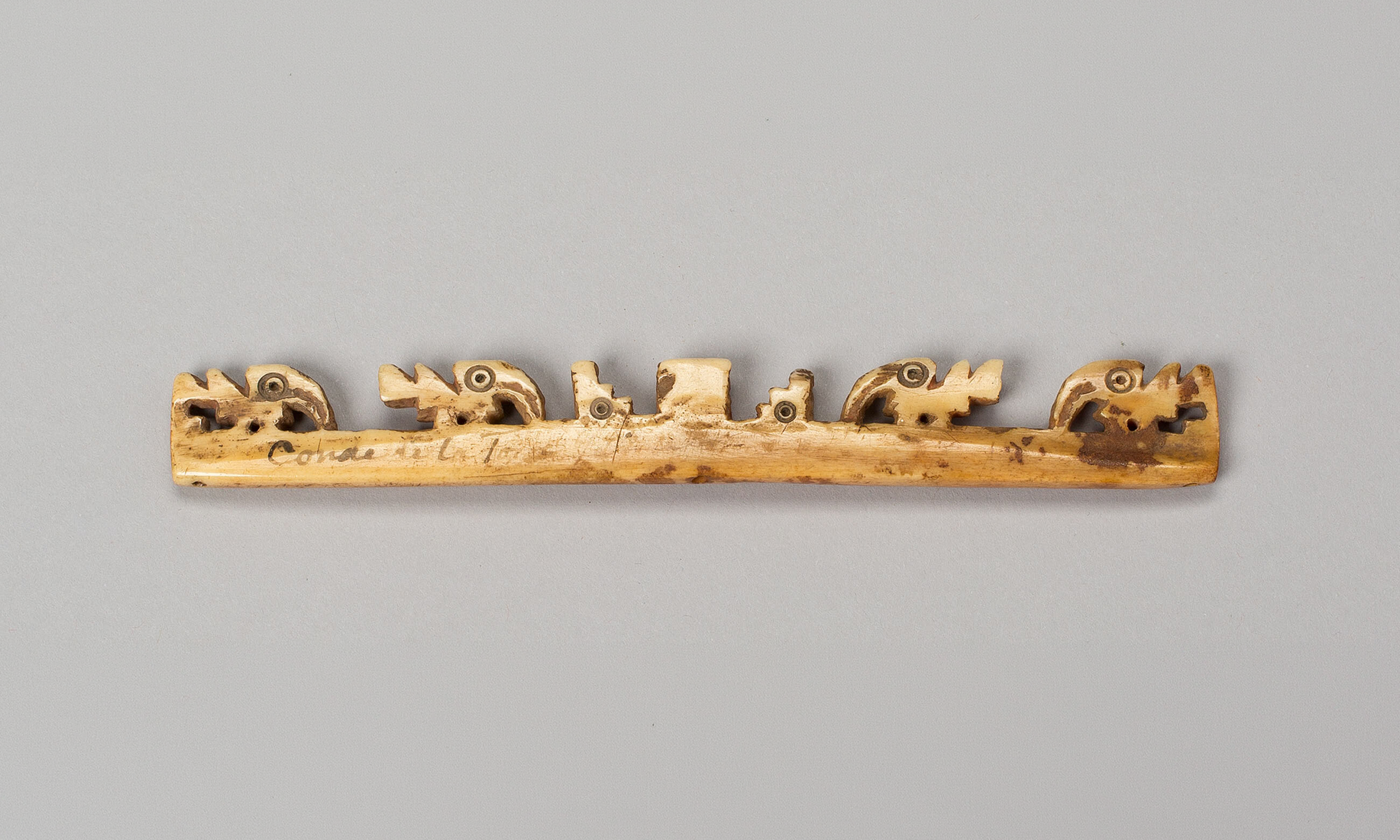


Before the rise of the Inca Empire, the Chichan Kingdom thrived for centuries on the southwest coast of Peru. At its height, the kingdom was home to an estimated 100,000 people with a rich culture and capital city, all made possible by seabird droppings, according to research published yesterday in PLOS One.
Archaeologist Jacob Bongers of the University of Sydney led a multidisciplinary team of researchers that examined historical records, artifacts, and ancient flora, all of which point to a kingdom whose rise was fueled by guano from cormorants, pelicans, and boobies.
“Seabird guano may seem trivial, yet our study suggests this potent resource could have significantly contributed to sociopolitical and economic change in the Peruvian Andes,” Bongers explained in a statement. “In ancient Andean cultures, fertilizer was power.”
Because the Peruvian coast is arid and the soil tends to lose nutrients, farming there is difficult. Analyzing the chemical composition of maize from burial chambers throughout the Chincha Valley, Bongers and his team found a curiously high nitrogen content—much higher than the surrounding soil should yield—indicating their crops were likely fertilized by guano.
“The guano was most likely harvested from the nearby Chincha Islands, renowned for their abundant and high-quality guano deposits,” Bongers said. “Colonial‑era writings we studied report that communities across coastal Peru and northern Chile sailed to several nearby islands on rafts to collect seabird droppings for fertilization.”
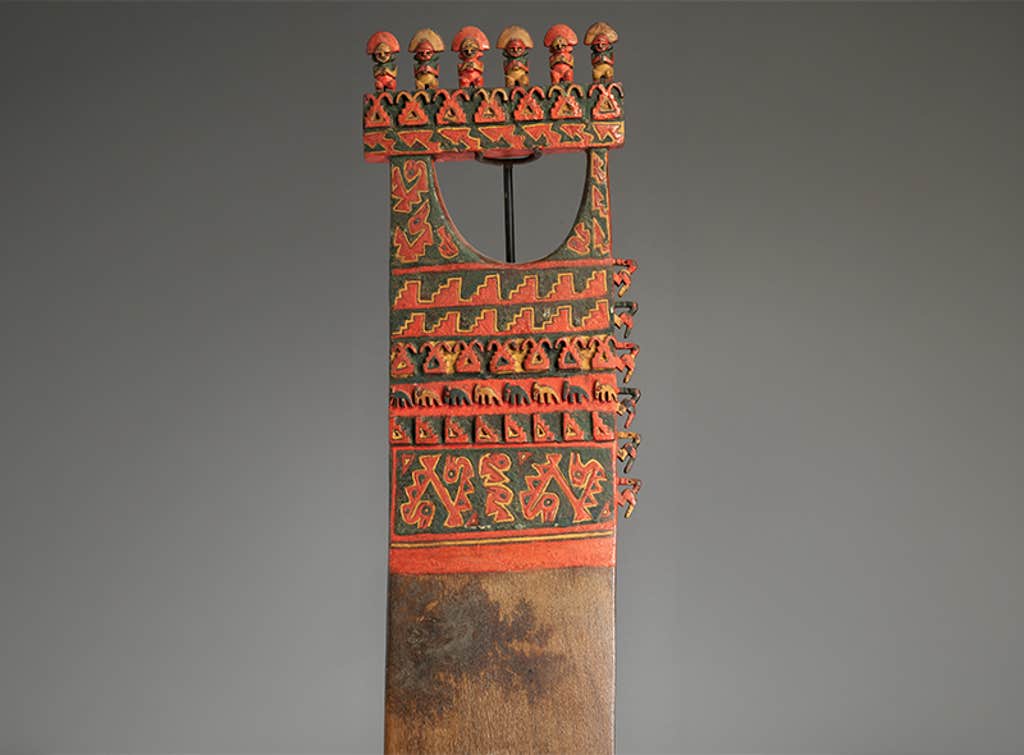
With an overabundance of food provided by the guano, the Chinchan people were able to flourish, becoming skilled traders, merchants, and fisherfolk. Archaeological imagery from the Chincha Valley examined by the team reflects a deep cultural reverence for seabirds, fish, and maize, with their likenesses adorning textiles, ceramics, paintings, and more.
Read more: “The City at the Center of the Cosmos”
“Together, the chemical and material evidence we studied confirms earlier scholarship showing that guano was deliberately collected and used as a fertilizer,” Bongers said. “But it also points to a deeper cultural significance, suggesting people recognized the exceptional power of this fertilizer and actively celebrated, protected, and even ritualized the vital relationship between seabirds and agriculture.”
For study co-author Jo Osborn from Texas A&M University, the team’s findings demonstrate how sophisticated the Chincha really were.
“The true power of the Chincha wasn’t just access to a resource; it was their mastery of a complex ecological system,” Osborn said. “They possessed the traditional knowledge to see the connection between marine and terrestrial life, and they turned that knowledge into the agricultural surplus that built their kingdom. Their art celebrates this connection, showing us that their power was rooted in ecological wisdom, not just gold or silver.” 
Enjoying Nautilus? Subscribe to our free newsletter.
Lead image: This bone balance beam scale demonstrates detailed carvings of birds. Credit: Courtesy of The Art Institute of Chicago 1955.2579d