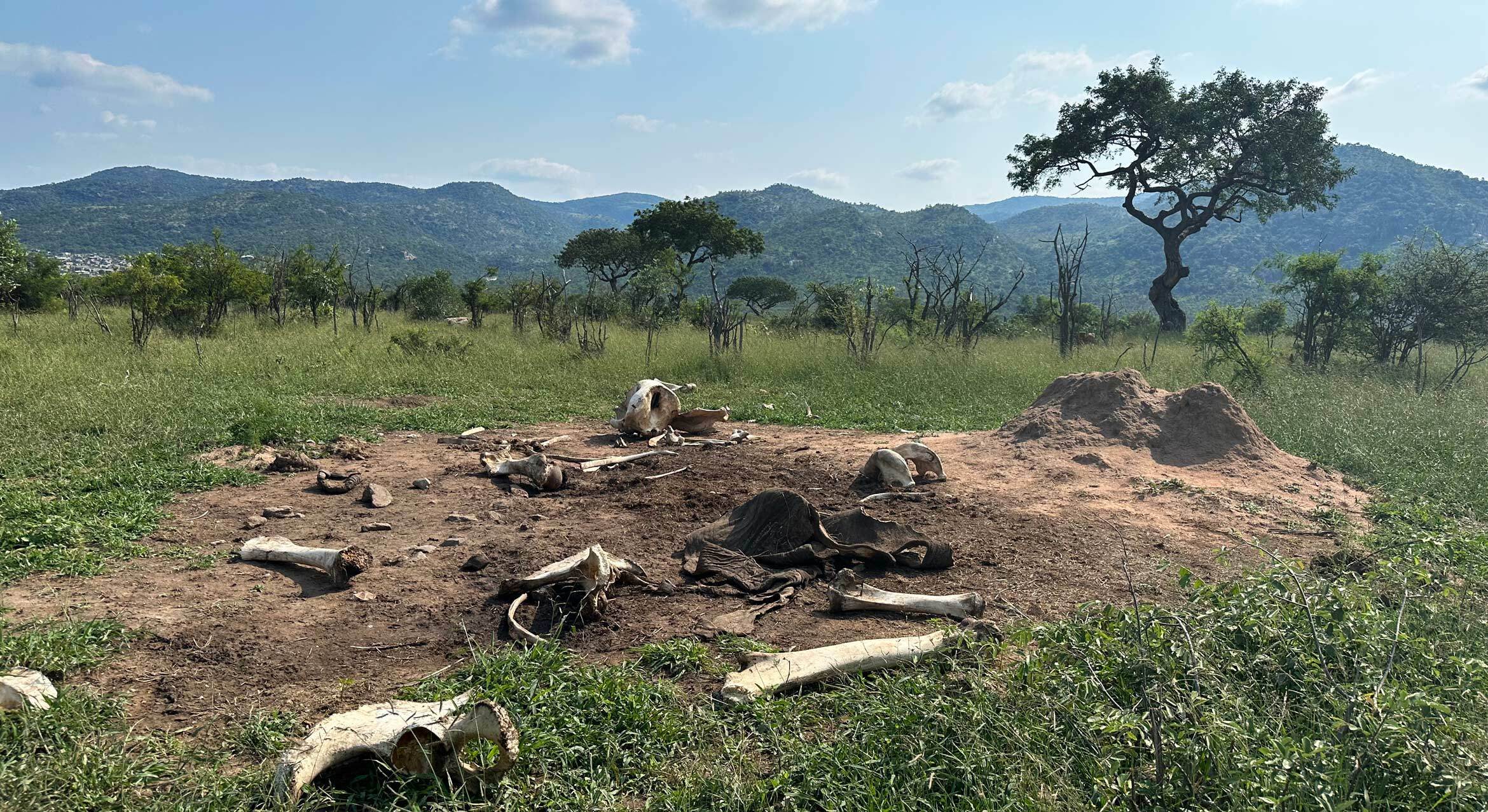
Gorongosa National Park, nestled in the heart of Mozambique, was once a place of thriving biodiversity. Herds of elephants roamed the savannas, lions hunted the plains, and colorful birds fluttered through the air. Created in the 1960s, Gorongosa soon became one of the most important game reserves in Africa. Celebrities like Joan Crawford, John Wayne, and Richard Burton were regular visitors. But two decades of civil war and poaching took their toll. The land was left barren, the animals vanished, and the beauty of Gorongosa faded.
But there were those who would not let it die. The Gorongosa Restoration Project, with tireless efforts, brought new life to the park. They worked to restore the habitats, control the predators, and support the local communities. And slowly but surely, Gorongosa began to bloom again. The elephants returned, their trumpets echoing across the savannas. The lions prowled once more, their roars filling the air. The birds, with their melodic songs, filled the skies. Gorongosa was alive again, and her beauty was once more on display.
This Nautilus series is the story of Gorongosa as a model of biodiversity renewal, a tale of resilience in the face of adversity, and of the never-ending fight to protect the beauty of our world.
The Nautilus Gorongosa series is published in partnership with the Howard Hughes Medical Institute’s Science and Educational Media Group. 
Lead photo by Piotr Naskrecki