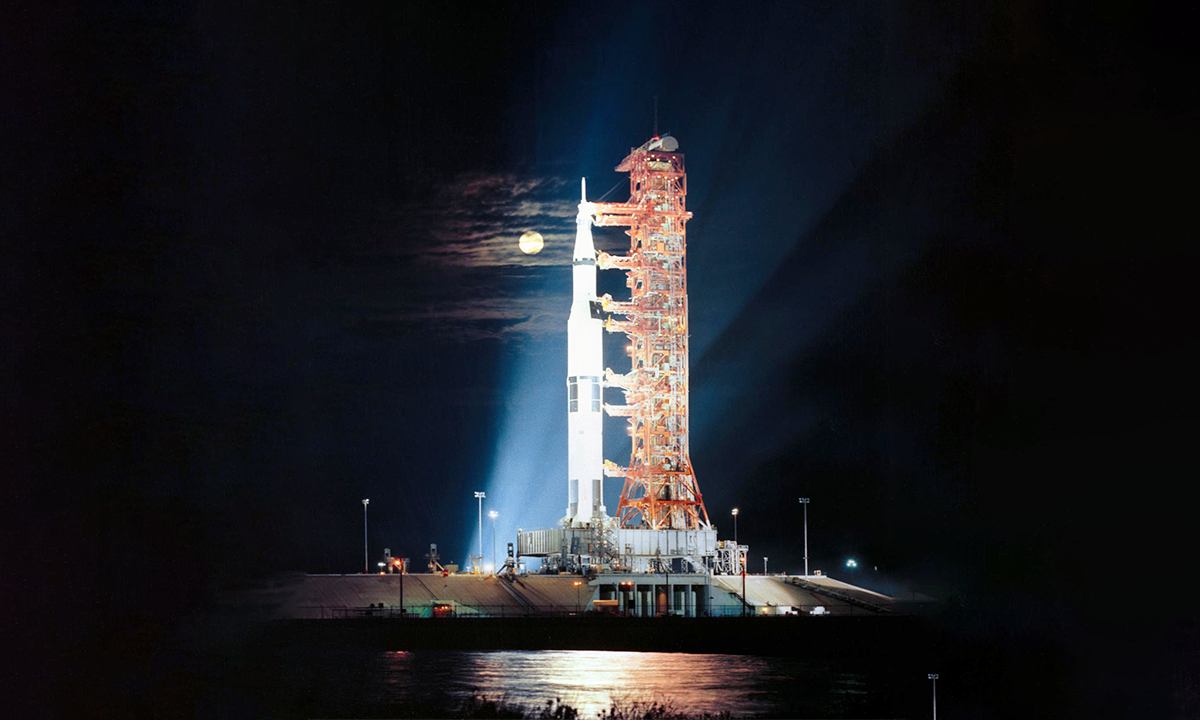
Next month, NASA is slated to launch the first crewed mission to the moon in more than half a century.
During the 10-day Artemis II mission, scheduled for as early as February 6, four astronauts will circle the moon in the Orion spacecraft—the program isn’t sending people back onto the lunar surface quite yet. During the trip, Orion is set to whiz more than 4,000 miles beyond the far side of the moon. That would mark the longest distance people have ever traveled away from Earth. The crew will cross off plenty of other milestones, too: For one, pilot Victor Glover will become the first person of color to fly beyond low-Earth orbit, and mission specialist Christina Koch will become the first woman to do so.
While aboard, the Artemis II crew will work on various experiments. For example, they’ll explore the impacts of spaceflight on multiple aspects of human health and make new observations of the moon’s surface. They might even become the first to ever glimpse certain stretches of the far side of the moon.
This is all in preparation for future Artemis missions, during which astronauts hope to learn about regions of the moon that remain elusive. For example, the Artemis III mission planned for 2027 aims to send astronauts to the South Pole for the first time. It’s super chilly there, upping the odds that the crew might encounter frozen water—a critical resource for future space trips.
The Artemis program’s eventual goal is to set up the first ever lunar space station, which will orbit the moon. It would host cutting-edge research and might later serve as a pit stop for humans headed to Mars. For now, these feats remain purely hypothetical.
Read more: “The Woman the Mercury Astronauts Couldn’t Do Without”
Next month’s journey wouldn’t be possible without the lessons taken from the Apollo missions, which enabled the first human footsteps on the moon and the discovery that the moon is a rocky body with a similar interior and ingredients to Earth.
Humans last walked on the moon during the Apollo 17 mission in 1972. The crew conducted geological surveys and collected surface samples, among other cosmic experiments. The astronaut team included geologist Harrison Schmitt, the most recent living person to have stepped foot on the moon. Schmitt is also the only geologist to ever tread the lunar surface.
Unlike previous astronauts, he wasn’t a pilot beforehand. In preparation for the mission, he attended a 53-week flight training course at Williams Air Force Base in Arizona. When he finally arrived on the moon, he explored the Taurus-Littrow Valley and gathered more than 240 pounds of rock samples to return to Earth for further study.
As Schmitt embarked on his first rover excursion at the valley, he exclaimed: “It’s a good geologist’s paradise if I’ve ever seen one!” 
Enjoying Nautilus? Subscribe to our free newsletter.
Lead image: NASA